8–10 minutes All levels No equipment 4 modules Educational only

Full Morning Routine

A complete structured morning movement experience — warm-up, targeted modules, gentle activation, and a cool-down — all in under 10 minutes. Designed to be done every day. Informational content, not medical advice.

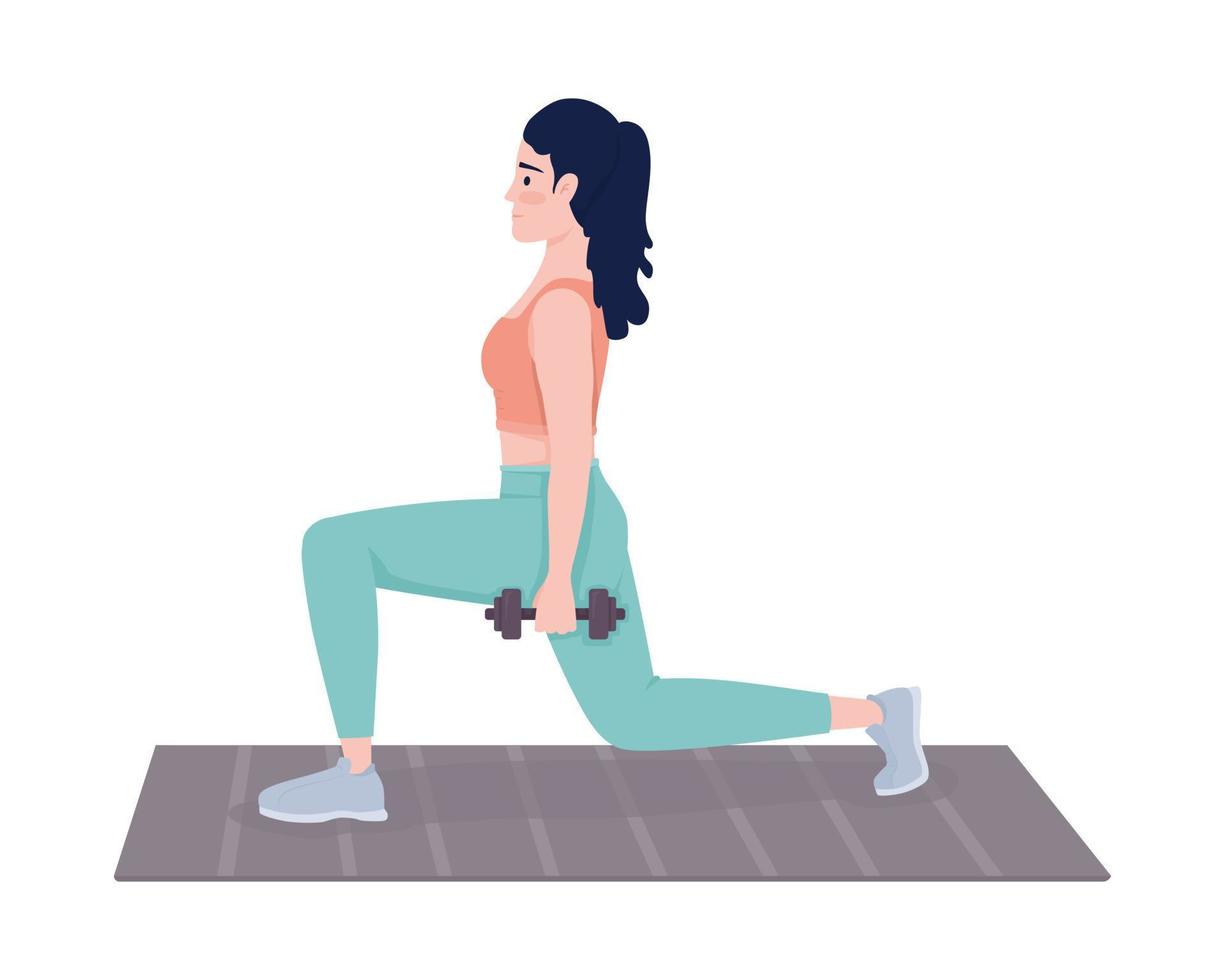
Abstract illustrated figure showing a full-body morning movement routine with arms extended in a structured exercise sequence
Routine Overview

A Complete Morning Practice

This routine is structured in four distinct modules, each targeting a different aspect of morning movement. Moving through all four gives you a balanced, full-body experience that takes you from rest to an active, alert state — gently and without strain.

It is designed to be repeatable daily. Over time, the sequence becomes a natural morning anchor — something your body begins to anticipate and prepare for each morning.

Warm-Up included Cool-Down included Fully repeatable
4 Movement modules
12 Individual steps
~10 Minutes total
Session Modules

The Four Modules

Complete each module in sequence for the full experience, or select individual modules based on your morning needs.

Module 1 — Warm-Up

2 minutes

A gentle full-body awakening sequence designed to raise your internal temperature gradually and signal to your muscles that movement is beginning.

Diaphragmatic breathing — 60 seconds
Neck and shoulder rolls — 30 seconds
Slow standing arm swings — 30 seconds

Module 2 — Joint Mobility

3 minutes

A focused joint-by-joint flow working from the upper body down to the lower body. Each joint is gently taken through a range of motion appropriate for a morning session.

Shoulder circles and chest opener — 45 seconds
Spinal rotation and side bends — 60 seconds
Hip circles and knee raises — 75 seconds

Module 3 — Activation

3 minutes

Gentle activation movements to engage the core, glutes, and supporting muscles. All movements are low-intensity and floor or standing-based — no jumping or impact.

Bird-dog hold (each side) — 60 seconds
Glute bridge with slow tempo — 60 seconds
Standing balance hold (each leg) — 60 seconds

Module 4 — Cool-Down

2 minutes

A gentle closing sequence that returns your body to a calm baseline. Slow movement and controlled breathing signal the end of the session and prepare you for the rest of the morning.

Seated forward fold and hold — 60 seconds
Supine knee-to-chest release — 30 seconds
Closing breath and stillness — 30 seconds
Weekly Guide

A Suggested Weekly Rhythm

Adapt the routine to your week. Variety helps maintain interest while consistency builds the habit.

M·W·F

Full Routine Days

Complete all four modules in sequence. These are your structured movement days — consistent and comprehensive.

T·TH

Mobility Focus Days

On alternate days, use the Mobility Morning session as a shorter, joint-focused complement to the full routine.

SA·SU

Gentle Days

On rest days, a simple 3-minute breathing and light movement sequence is all you need to maintain continuity.

Session Guidance

Before You Begin

Hydrate First

Drink a glass of water before starting. Even mild dehydration after a night of rest can affect how the body moves and feels during morning sessions.

Clear a Small Space

You only need a space about the size of a yoga mat. Remove any trip hazards and ensure there is something to hold onto if you need support during balance steps.

Keep the Screen Accessible

Place your device at eye level so you can glance at the next step without bending down or straining. This keeps the flow of the routine uninterrupted.

Adjust to Your Pace

The suggested timings are a guide, not a rule. If you need to stay in one position longer or skip a step on a given morning, that is completely fine.

Start Simple

Prefer a Shorter Session?

If the full routine feels like too much some mornings, the Mobility Morning session is a great alternative — just 5–7 minutes of focused joint movement.

Important health notice. All materials and practices presented here are educational and informational in nature and are intended to support general wellbeing. They do not constitute medical advice, diagnosis, or treatment, and are not a substitute for consultation with a licensed healthcare professional. Physical activity carries inherent risks; results vary by individual. Consult a qualified physician before starting any new movement practice — especially if you have a medical condition, are pregnant, are recovering from injury, take prescription medication, or experience dizziness, chest pain, or shortness of breath. Stop immediately if you feel pain or discomfort. By following any routine on this Site, you do so at your own risk. See our Health, Fitness & Assumption of Risk section for full details.